


When your lights keep flickering, it’s more than just a frustrating distraction. It could be a warning sign of something more serious going on behind the scenes. While the occasional flicker from a loose bulb is nothing to worry about, persistent or widespread flickering might point to underlying electrical issues that shouldn't be ignored. From unstable power supplies to incompatible dimmer switches or faulty wiring, the causes can vary, and knowing what to look out for is key to staying safe and keeping your home beautifully lit.
This guide covers everything from why your house lights keep flickering, to what to do if your LED ceiling light is flickering, and whether flickering LED lights are dangerous. Plus, we’ll walk you through exactly how to fix flickering LED lights with tips, practical steps, and some top lighting picks along the way. Whether you’re troubleshooting one flickering bulb or looking for a full lighting refresh, you’re in the right place.
Why are my ceiling lights flickering?
Loose bulbs or faulty sockets
A simple cause: lightbulbs that aren’t tightly screwed in or sockets that have worn contacts. This is common in pendant ceiling lights, flush ceiling lights, and older fittings.
Incompatible or defective switches & dimmers
Some dimmer switches aren’t compatible with LED bulbs. If your LED ceiling lights flicker when dimming, the dimmer may not support the bulb type. Also, motion sensor switches or cheap wall‑mounted controls can cause intermittent flicker.
Electrical wiring issues
Flickering across different fixtures, especially when appliances turn on or off, often signals loose wiring, overloaded circuits, or voltage fluctuations in your home’s electrical system.
Bad LEDs or poor drivers
Inferior LED lamps or integrated driver units in LEDs can flicker, especially cheap imports. Even smart bulbs from unbranded sources may have unstable drivers that cause flicker.

Are flickering lights dangerous?
Flickering isn’t just annoying, it can be a safety hazard:
- Loose wiring can overheat and risk fire.
- Faulty sockets or poor connections may spark.
- LED flicker from poor drivers can cause eye strain, headaches or trigger migraines in sensitive people.
Yes, flickering LED lights can be dangerous when the underlying cause is electrical. If multiple lights flicker, or if flickering accompanies buzzing or heat, you should consult a qualified electrician immediately.
How to fix flickering ceiling lights
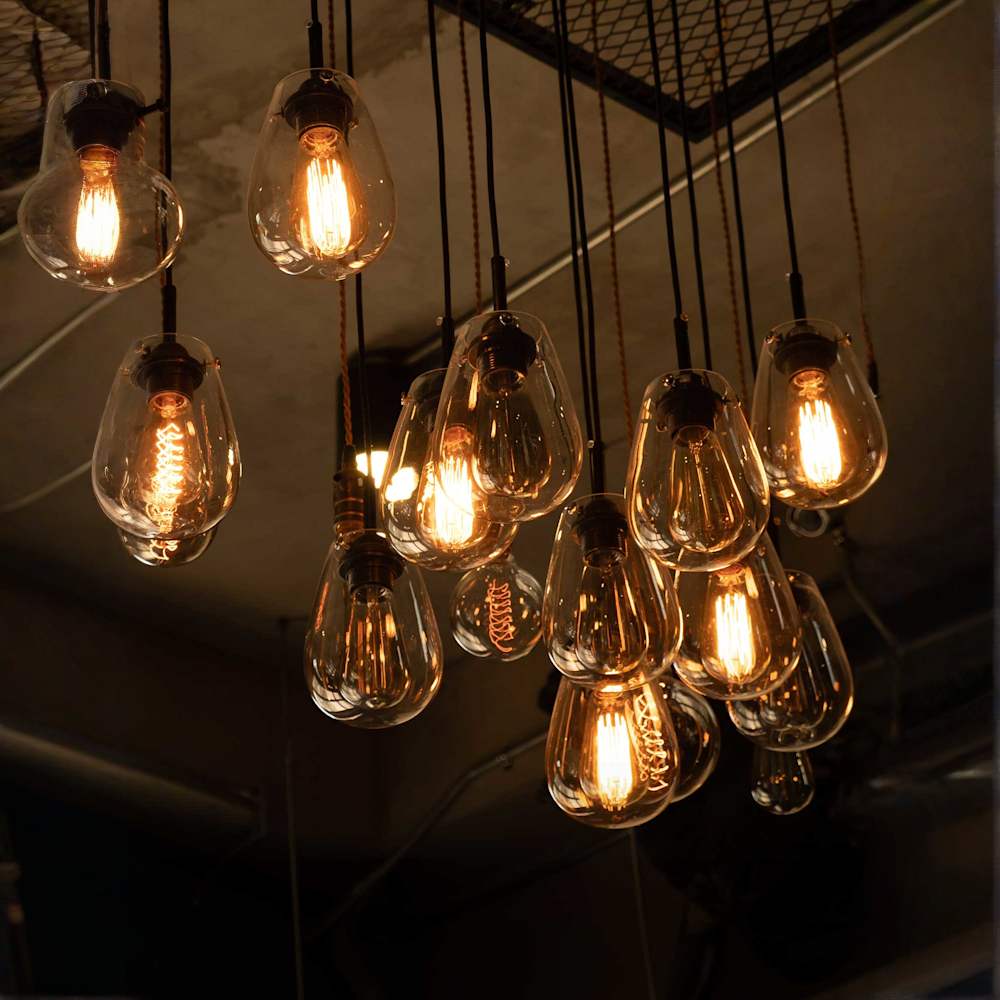
Traditional incandescent or halogen bulbs
- Switch off the circuit, tighten the bulb gently so it’s snug.
- If flicker persists, swap the bulb out to rule out a faulty lamp.
- Check the switch/dimmer for loose wiring, turn off power and tighten terminals.
CFL bulbs (compact fluorescent)
- Replace flickering CFLs with newer, quality LED equivalents. See our LED bulb range for reliable alternatives at ValueLights.
- Ensure the lamp and dimmer are compatible (many older dimmers do not work with CFLs).
LED ceiling lights & LED bulbs
- Check bulb‑to‑lamp compatibility as some lamps require specific LED driver types.
- Use compatible dimmers. Look for “LED dimmer compatible” switches.
- Test in another fitting to see if a specific lamp is faulty or if the mains fixture is the issue.
- Replace poor quality LED units.
Smart lights & LED strips
- Confirm firmware is up to date.
- Ensure controllers or apps are set to stable brightness (not rapid transitions).
- Power supply must match strip voltage; under‑voltage causes flicker.
Wiring & household electrical fixes
- If flicker happens across multiple lights or with appliances switching on/off, call a qualified electrician.
- They’ll inspect for loose live or neutral wiring, circuit load, or even supply instability from the mains.
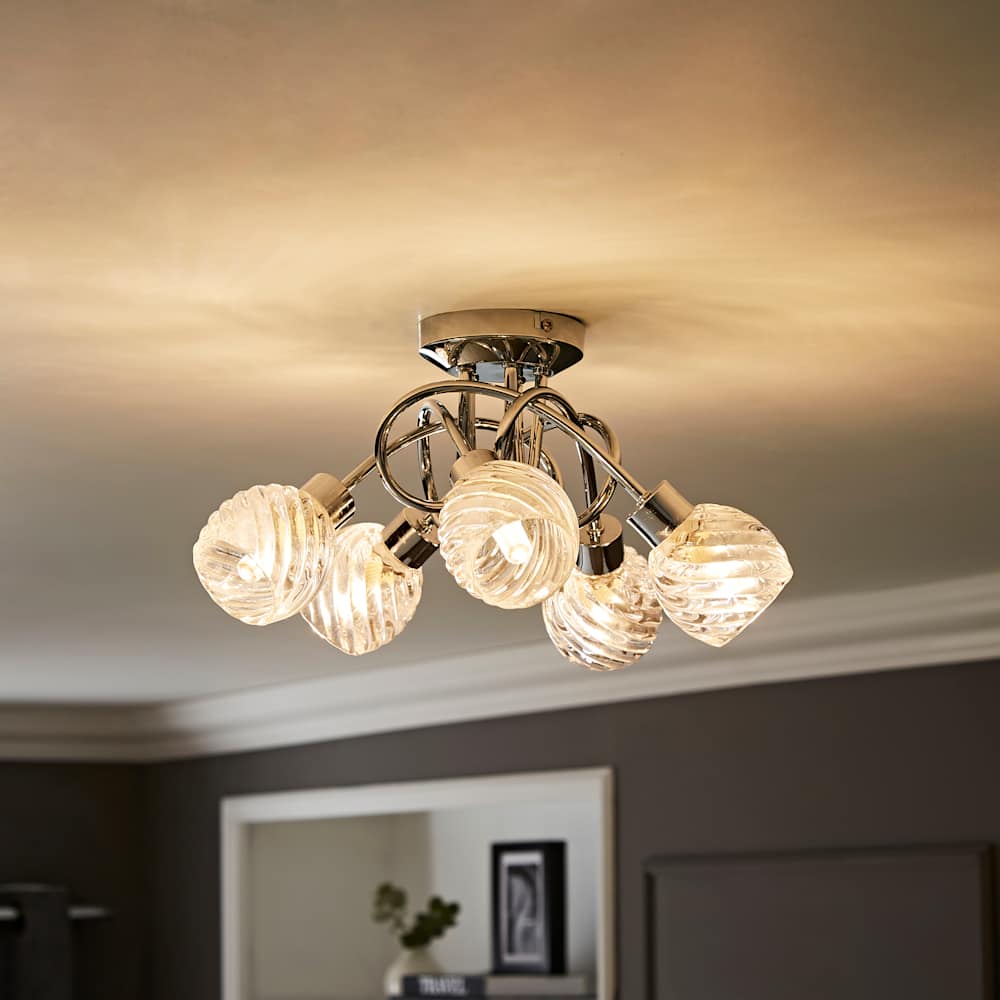
Preventing future flicker & keeping your lighting safe
Preventing light flicker before it starts is often a matter of making smart choices from the very beginning. One of the most important steps is choosing high-quality LED ceiling lights, ideally those that feature branded, reliable drivers. The driver is what regulates the power going to your light, and cheaper or unbranded components are far more likely to cause inconsistent performance and visible flicker over time. Investing in dependable LED lighting, like the options available across the ValueLights range, not only gives you longer-lasting illumination but also peace of mind that your fixtures are built to a higher standard.
It’s also essential to ensure that your dimmer switches are properly matched to your lighting. Many LED bulbs are not compatible with traditional or halogen-rated dimmers, which can result in flickering, buzzing, or reduced lifespan. When in doubt, opt for dimmers that are clearly labelled as LED-compatible and check the wattage load to make sure everything lines up. Regular maintenance goes a long way, too. Make a habit of checking that bulbs are tightly fitted, switches are secure, and no unusual heat or buzzing is present. For homes with older wiring or frequent power fluctuations, adding a surge protector or voltage stabiliser can help safeguard your lighting system and prevent flicker caused by inconsistent supply. Taking these precautions means fewer surprises and a lighting setup that works exactly as it should: steady, stylish and safe.
If you're ready to upgrade or replace flicker-prone fixtures, we’ve listed some of our favourite flicker-free LED lighting options below. Each one selected for performance, quality, and long-term reliability:
- Black Chrome Fire Rated Downlights: simplest yet most effective addition to any room
- Black Chrome Retro Eyeball 6-Way Flexible Spotlight Bar: suit the lighting to any room in the house
- Wallace Industrial Bar Ceiling Light with 3 Clear Glass Shades: Stylish? Tick. Sophisticated? Absolutely. A show-off? Maybe just a little
No more flicker
Flickering ceiling lights can feel disconcerting, but often, the fix is straightforward: tighten a bulb, swap a dimmer, or choose a quality LED. When the cause is deeper, like unstable wiring or faulty fixtures, always lean on a registered electrician.
By understanding why ceiling lights may be flickering, recognising when it's dangerous, and knowing how to fix different types of lights flickering, you’ll be equipped to restore calm (and consistent lighting!) to your home.
Stay calm, glow on, and may your bulbs never flicker again.